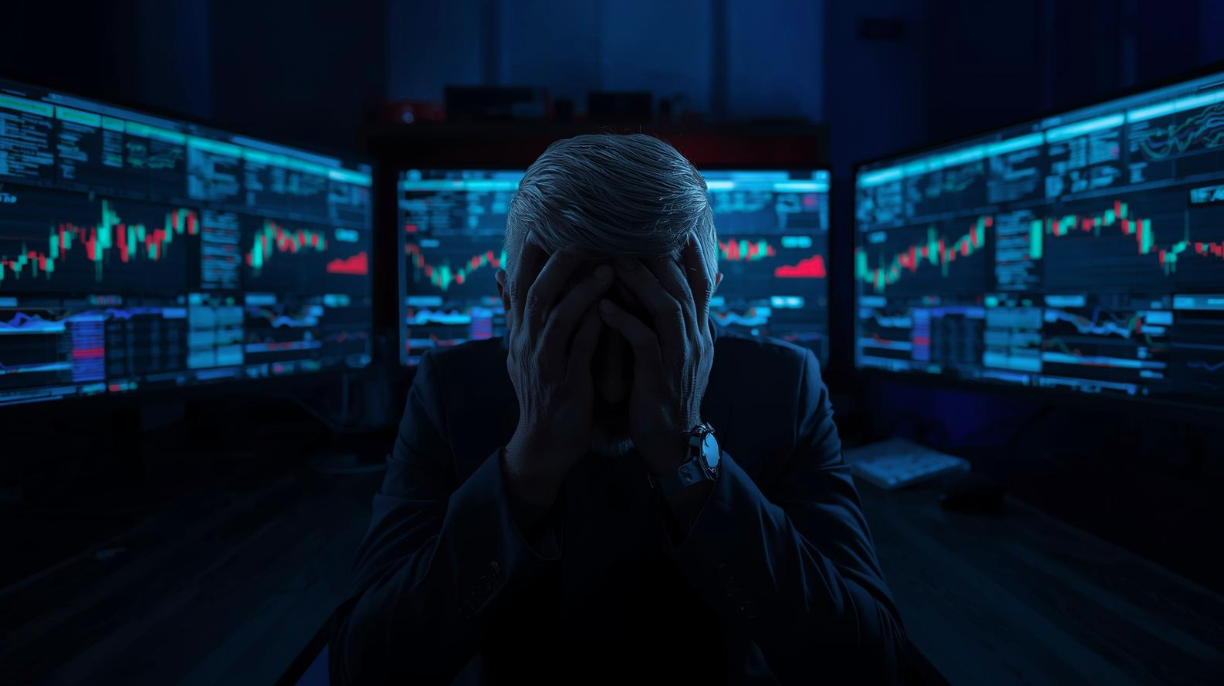
Mastering emotional control in volatile crypto markets is not about shutting emotions down. Instead, it is about understanding them and staying steady when prices move fast. Crypto markets can feel chaotic. Emotions often feel even stronger.
Many traders believe success depends on charts, signals, or secret strategies. However, emotional control in crypto markets often matters more than technical skill. Without it, even solid plans fall apart under pressure.
So how do you stay calm during sudden crashes? How do you avoid chasing hype during rapid rallies? Most importantly, how do you make clear decisions when volatility feels intense? Let’s walk through it together.
Why Emotional Control Matters in Crypto Trading
Crypto markets are emotional by nature. Prices move day and night. News spreads instantly. Social media fuels excitement and panic. Because of this, emotions appear constantly.
When emotional control is missing, traders make rushed choices. For example, fear leads to panic selling. Meanwhile, greed pushes traders to overextend. Over time, these actions hurt both confidence and capital.
Emotions are not bad. Fear can protect you. Excitement can motivate you. Still, problems arise when emotions take control instead of supporting decisions.
Think of emotions as warning lights. They give signals. However, they should never steer the wheel.
Common Emotional Traps Traders Face
Before emotional control improves, common traps must be recognized.
Fear shows up during sharp drops. The mind imagines disaster. As a result, traders exit too early or avoid good setups.
Greed appears during fast rallies. Suddenly, risk feels small. Consequently, traders enter late or ignore limits.
FOMO mixes fear and greed. It pushes action without planning. Regret often follows, leading to revenge trades.
These cycles repeat often. Fortunately, awareness weakens their influence.
How Volatility Amplifies Emotion
Volatility increases emotional pressure. Traditional markets move slower. Crypto markets move fast. Because of this, emotional reactions become stronger.
The brain reacts to uncertainty like danger. Heart rate rises. Focus narrows. Clear thinking drops.
This response is normal. Still, successful traders learn to pause before acting. Instead of reacting, they respond.
Emotional control in crypto markets means creating space between feeling and action.
Developing Emotional Awareness
Awareness is the foundation of emotional control.
Start by noticing how you feel during trades. Are you anxious before entering? Do wins create excitement? Do losses trigger frustration?
Keeping a trading journal helps. After each trade, write how you felt and why you acted. Over time, patterns become clear.
Once emotions are noticed, they lose intensity. Awareness turns reactions into choices.
Using Rules to Reduce Emotional Pressure
Clear rules reduce emotional stress. When decisions are planned, emotions lose power.
A strong framework includes entry rules, exit rules, position size, and risk limits. During fast moves, you simply follow the plan.
For example, if your rule sets a fixed stop loss, the decision is already made. Fear no longer controls the moment.
Rules act like guardrails. They protect discipline when emotions rise.
Risk Management Supports Emotional Control
Risk management protects more than money. It protects your mindset.
When too much is at risk, fear grows. Decisions feel heavy. Emotional control weakens.
Smaller position sizes lower emotional intensity. Losses feel manageable. Wins stay grounded.
Many experienced traders risk only a small portion per trade. This approach keeps emotions stable over time.
Detachment Improves Decision Quality
Detachment means separating self-worth from outcomes.
When results define identity, losses feel personal. Emotions spike. Judgment fades.
Detached traders see trades as probabilities. A loss is feedback. A win is execution.
This mindset strengthens emotional control in crypto markets naturally.
Managing Stress During Market Chaos
Stress cannot be avoided. However, it can be managed.
Simple actions help. Deep breathing calms the body. Short breaks reset focus. Movement releases tension.
Sleep matters more than many realize. Fatigue weakens emotional control and increases risk-taking.
By caring for your body, your mind stays clearer.
Avoiding Overtrading and Burnout
Crypto markets never close. That constant access creates pressure.
Overtrading drains focus. Each decision uses mental energy. Eventually, discipline breaks down.
Setting trading hours helps. Stepping away protects clarity. Quality improves when quantity drops.
Sometimes, patience is the best trade.
Checklists Reduce Emotional Errors
Checklists slow impulsive actions.
Before entering, ask simple questions. Does this trade follow my plan? Is risk acceptable? Am I acting emotionally?
These pauses interrupt emotional momentum. Rational thinking returns.
Under pressure, structure creates calm.
Building Long-Term Emotional Strength
Emotional control develops over time. It grows through repetition and reflection.
Losses will happen. Drawdowns are normal. What matters is recovery.
Resilient traders bounce back without spiraling. They review calmly and adjust without blame.
With time, emotional swings soften.
Managing Expectations to Stay Grounded
Unrealistic expectations fuel frustration.
Crypto trading includes losing streaks. No strategy wins all the time.
By accepting uncertainty, emotions settle. Losses feel normal. Patience grows.
Realistic expectations support long-term success.
Patience as a Trading Advantage
Patience filters noise. It prevents rushed entries. It allows setups to mature.
Waiting often feels uncomfortable. Still, patience protects both capital and clarity.
Traders who wait experience fewer emotional swings.
Learning From Emotional Mistakes
Mistakes teach valuable lessons.
Instead of avoiding regret, examine it. What emotion drove the decision? What signal was ignored?
Each review builds awareness. Over time, emotional triggers lose strength.
Growth follows reflection.
Balancing Confidence and Caution
Confidence supports execution. Caution protects discipline.
Too little confidence causes hesitation. Too much leads to risk.
Balanced traders trust their process while respecting uncertainty.
Markets reward balance.
Mindfulness Keeps You Present
Mindfulness trains focus.
When attention drifts to fear or fantasy, mistakes appear. Mindfulness pulls focus back to facts.
Even short daily practice improves emotional control.
Presence sharpens judgment.
Creating a Calm Trading Environment
Your environment affects emotion.
Clutter increases stress. Noise distracts focus.
A clean workspace supports calm decisions. Fewer screens. Clear charts. Less distraction.
Your setup should reduce emotion, not increase it.
Trusting Process Over Results
Focusing only on results increases emotional swings.
Process focus builds consistency. When execution matters more than outcome, emotions stabilize.
Trust grows through repeated discipline.
Results follow process.
Conclusion
Emotional control in volatile crypto markets is not optional. It is essential. Volatility will always exist. Emotions will always appear. However, traders who build awareness, manage risk, and follow structure stay calm while others react. Over time, emotional control becomes your strongest edge.
FAQ
1. Why is emotional control important in crypto markets?
It prevents impulsive decisions driven by fear, greed, or panic during volatility.
2. How can I reduce fear during sudden price drops?
Use smaller position sizes, clear exit rules, and predefined risk limits.
3. Does emotional control mean ignoring emotions?
No. It means recognizing emotions and choosing actions consciously.
4. Can beginners improve emotional control in crypto trading?
Yes. Awareness, journaling, and rule-based trading help quickly.
5. How long does emotional control take to develop?
It improves gradually with consistent practice and reflection.