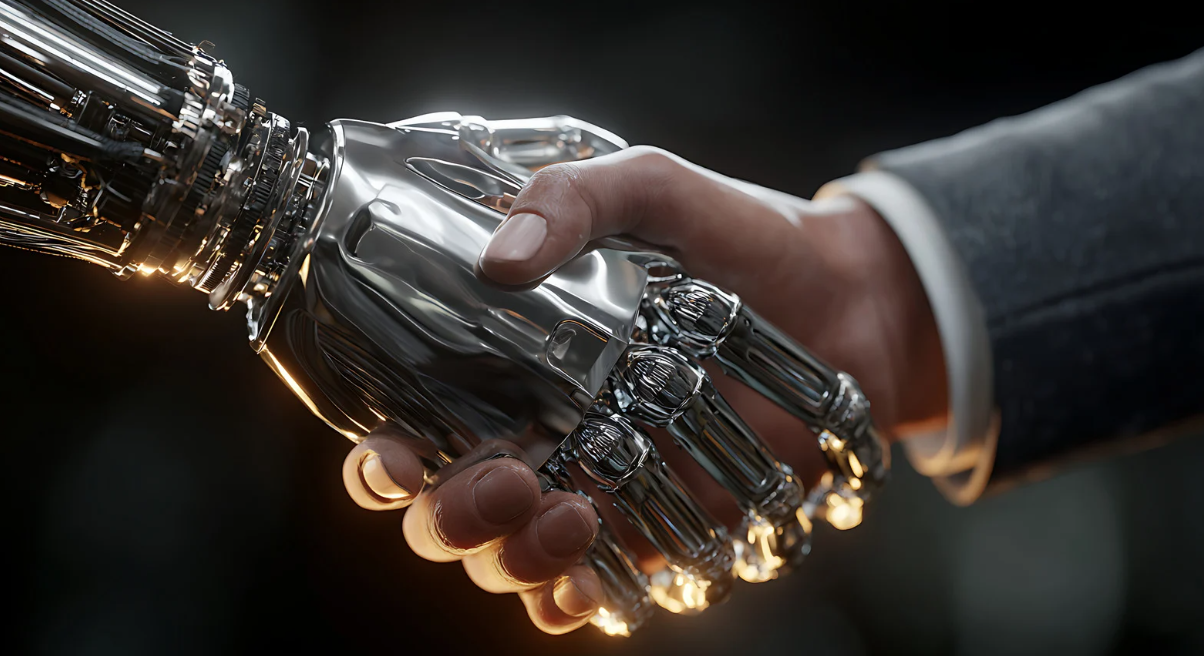
The future of marketing isn’t just digital—it’s intelligent. Every click, scroll, and conversion leaves behind a trail of data. The challenge? Turning that data into decisions that drive results. That’s where AI and marketing automation come together—creating a powerful system that saves time, personalizes campaigns, and boosts ROI.
But here’s the truth: most businesses use automation without truly integrating AI, leaving tons of potential untapped. When you combine these tools the smart way, marketing stops being a guessing game and becomes a data-driven growth engine.
Let’s explore how to integrate AI and marketing automation the right way—so you can spend less time managing tools and more time connecting with customers.
Why AI and Marketing Automation Are the Perfect Pair
Think of automation as the hands and AI as the brain. Automation handles repetitive tasks—sending emails, scheduling social posts, and managing workflows. AI, on the other hand, adds intelligence—it learns, predicts, and optimizes.
Together, they transform your marketing from reactive to proactive.
Here’s how they complement each other:
- Automation executes actions like delivering emails or segmenting leads.
- AI analyzes behavior and decides which actions are most effective.
- Together, they ensure every message, ad, and post reaches the right person at the right time.
When combined properly, AI and marketing automation tools don’t just make marketing faster—they make it smarter.
The Problem with Fragmented Marketing Systems
Let’s face it: most marketers use dozens of disconnected tools. One for email campaigns, another for analytics, another for social media. While each tool might perform well individually, the lack of integration creates inefficiency and confusion.
Without unified data, personalization becomes guesswork. You might end up sending generic emails, showing irrelevant ads, or missing key engagement opportunities.
AI-powered marketing automation fixes this by centralizing data and creating seamless connections between platforms. It turns random data points into a coherent customer journey—one that feels personalized, not programmed.
When your systems talk to each other, your marketing finally starts speaking the language of your audience.
The Smart Way to Integrate AI and Marketing Automation Tools
You don’t need to overhaul your entire tech stack overnight. The key is a strategic integration that builds intelligence step by step.
Here’s the process that works for most businesses:
1. Start with a Centralized CRM
Your CRM (Customer Relationship Management) system is the heart of your automation ecosystem. It stores customer data, tracks interactions, and measures engagement.
AI tools need this data to work effectively. Without it, AI can’t detect patterns or predict behavior.
Integrate your marketing platforms—email, social, ad accounts, and web analytics—into your CRM. Tools like HubSpot, ActiveCampaign, and Zoho CRM offer built-in AI features that make this process seamless.
This integration gives AI a complete picture of each customer journey, making your automation infinitely smarter.
2. Use AI for Segmentation and Targeting
Traditional marketing segmentation is manual—you create lists based on demographics or past purchases. But with AI, segmentation becomes dynamic.
AI analyzes real-time behavior to group audiences based on intent, interests, and likelihood to convert. It identifies subtle patterns that humans often miss.
For example:
- A visitor reads multiple blog posts on SEO tools—AI flags them as a potential lead for a content marketing service.
- A customer opens every product email but never clicks—AI identifies low conversion intent and adjusts messaging automatically.
Platforms like Klaviyo, HubSpot, and Adobe Marketo Engage already use AI to fine-tune segmentation.
Smart targeting means your marketing feels personalized—not intrusive.
3. Automate Personalized Content Delivery
Once AI has segmented your audience, automation takes over delivery.
Instead of sending the same email blast to 10,000 people, AI can generate different versions for different segments—automatically. It learns what headlines, tones, and visuals resonate with each group.
Tools like Persado, Seventh Sense, and Phrasee use natural language processing to optimize subject lines, call-to-actions, and even entire paragraphs.
Imagine an email system that knows when each subscriber is most likely to open and what message will make them click. That’s not science fiction—it’s AI-powered automation in action.
4. Enhance Customer Journeys with Predictive Analytics
One of AI’s superpowers is prediction. It looks at past behavior to forecast future actions.
For example, AI can predict which leads are most likely to convert and automatically prioritize them for sales outreach. It can even detect churn risk—customers who might unsubscribe or stop buying—and trigger retention campaigns before it happens.
Predictive tools like Salesforce Einstein, Emarsys, and Pardot use advanced algorithms to identify opportunities long before humans notice them.
By combining predictive analytics with automation, your marketing becomes anticipatory. You’re not reacting—you’re guiding customers toward the next best step.
5. Integrate AI Chatbots and Conversational Automation
Customer engagement doesn’t stop after conversion. Smart brands use AI-powered chatbots to maintain conversations 24/7—without overwhelming their teams.
Tools like Drift, Intercom, and ManyChat use natural language understanding to simulate real human conversation. They can answer questions, suggest products, or even qualify leads in real time.
When integrated with your CRM, these bots feed data directly into your marketing automation workflows. That means every chat becomes a new data point for personalization and follow-up campaigns.
The result? Better engagement, faster responses, and happier customers.
6. Measure, Learn, and Optimize with AI Insights
Once your AI and marketing automation systems are running, continuous improvement becomes the goal.
AI thrives on feedback loops. It constantly analyzes data to discover what’s working and what isn’t—then adjusts strategies automatically.
For example:
- Your AI might notice that videos outperform static ads for a particular audience. It reallocates ad spend automatically.
- It could detect that customers in one region respond better to email promotions on weekends—and update the schedule accordingly.
Platforms like Google Marketing Platform, HubSpot AI, and Adzooma specialize in real-time optimization.
This process eliminates guesswork and ensures your campaigns evolve alongside your customers.
How AI and Automation Transform Each Stage of Marketing
Integrating AI with automation doesn’t just make tasks easier—it transforms every stage of your marketing funnel.
Awareness Stage
AI analyzes user behavior to identify which channels attract the most attention. Automation then ensures consistent visibility across those channels—social media, ads, blogs, or video.
Consideration Stage
AI learns what content drives engagement. It customizes recommendations and nurtures leads with personalized content sequences.
Conversion Stage
AI predicts conversion probability. Automation triggers perfectly timed offers or follow-ups, maximizing sales.
Retention Stage
AI detects early signs of disengagement. Automation sends reactivation campaigns or loyalty rewards.
Advocacy Stage
AI identifies brand advocates—those most likely to refer others—and automation nurtures referral programs or testimonial requests.
This holistic integration ensures your marketing stays aligned, responsive, and customer-centric.
Overcoming Common Challenges When Integrating AI and Marketing Automation
Integration sounds great in theory, but in practice, many marketers face roadblocks. Here’s how to overcome the most common ones.
Data Overload
AI can’t function without data—but too much unstructured data can slow down your system.
Solution: Use data-cleaning tools and focus on quality data sources.
Tool Compatibility
Not all marketing tools play well together.
Solution: Choose platforms with open APIs or native integrations. Tools like Zapier or Make can bridge gaps between systems.
Lack of Strategy
Some marketers dive into AI without a clear plan.
Solution: Define your goals first—lead nurturing, retention, or personalization—and choose tools that align with them.
Human Resistance
Teams fear automation will replace creativity.
Solution: Frame AI as an assistant, not a replacement. It frees time for high-value, creative work.
By addressing these challenges early, integration becomes smoother and more rewarding.
Real-World Examples of AI and Marketing Automation Integration
Big brands have already proven the power of combining AI and automation.
- Spotify: Uses AI to analyze listening behavior and automation to generate hyper-personalized playlists like “Discover Weekly.”
- Sephora: Integrates chatbots with customer data to provide beauty recommendations, automate bookings, and nurture repeat purchases.
- Netflix: Combines AI-driven predictions with automation to recommend content and send targeted emails that keep viewers engaged.
- Amazon: Masters AI personalization by predicting what you’ll buy next and automating product suggestions in real time.
Even small businesses can follow their lead by integrating affordable AI tools for smarter, more personalized marketing.
The Future of AI and Marketing Automation
The future of marketing belongs to adaptive systems—platforms that think, learn, and evolve. AI is moving beyond prediction into prescriptive intelligence—not just forecasting outcomes but suggesting the best next move.
Imagine AI tools that automatically test new ad variations, adjust campaign budgets, and even write personalized content—all while you focus on strategy.
As machine learning becomes more sophisticated, the boundary between AI and automation will blur. The two will merge into unified marketing ecosystems that are always optimizing, always learning.
The brands that win won’t be the ones using the most tools—they’ll be the ones integrating them most effectively.
Conclusion
Integrating AI and marketing automation isn’t about replacing marketers—it’s about empowering them. When used wisely, these technologies free you from repetitive tasks, reveal hidden insights, and personalize every customer interaction.
Start small, focus on integration, and let AI handle the complexity while you focus on creativity. The smarter your tools work together, the simpler—and more effective—your marketing becomes.
Because in the age of intelligent automation, success isn’t about doing more—it’s about doing it smarter.
FAQ
1. What’s the difference between AI and marketing automation?
Automation executes repetitive tasks, while AI adds intelligence by analyzing data, predicting outcomes, and optimizing performance.
2. How do I start integrating AI into my marketing automation system?
Begin with your CRM and data management, then layer AI tools for analytics, segmentation, and personalization.
3. Can small businesses afford AI-driven marketing?
Yes. Many affordable tools like HubSpot, Mailchimp, and ChatGPT integrations make AI accessible for small teams.
4. What’s the biggest mistake when combining AI and automation?
Using too many disconnected tools without strategy. Always integrate around clear goals and shared data.
5. How does AI improve customer experience?
AI delivers personalized, timely, and relevant messages that make customers feel understood rather than marketed to.