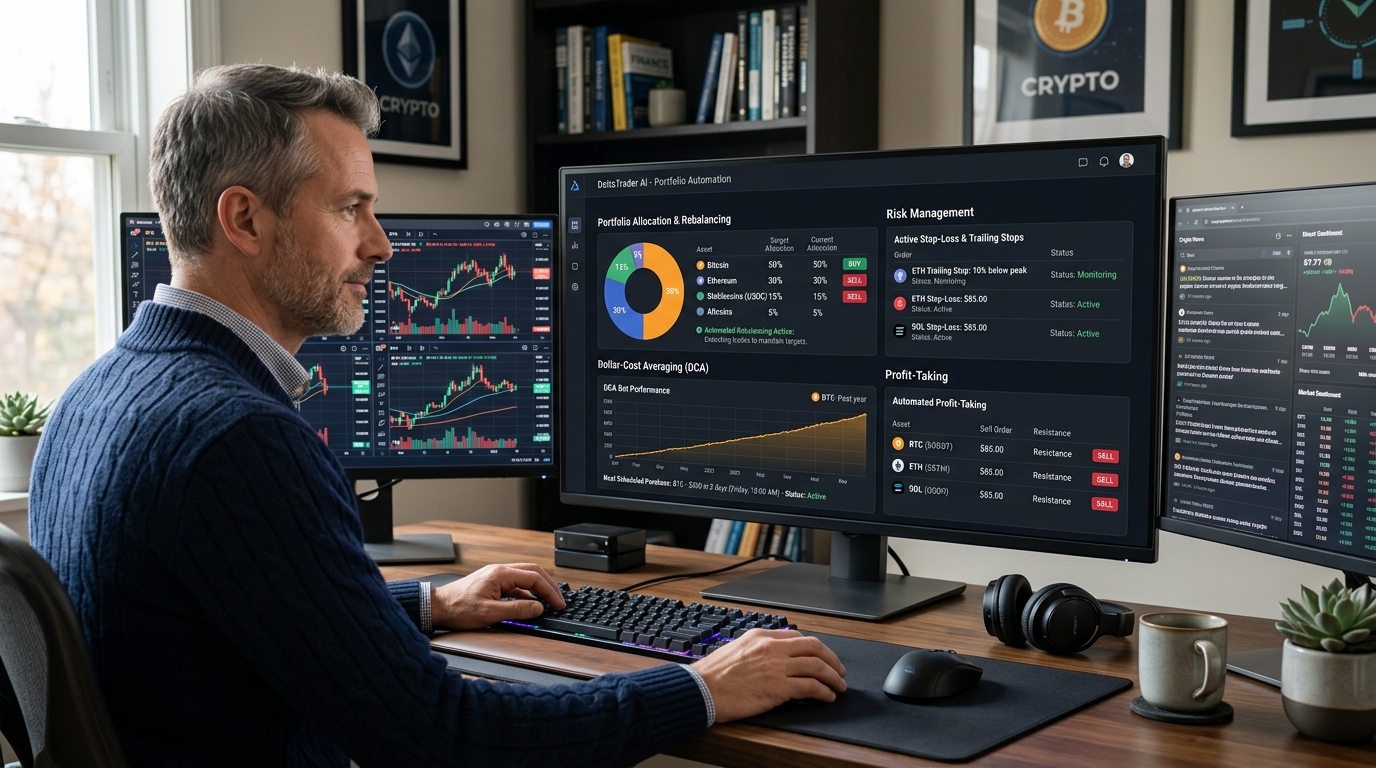
Managing digital assets can feel overwhelming, especially when prices move rapidly and unpredictably. This is where the ability to automate crypto portfolio strategies becomes a powerful advantage, helping investors reduce volatility risk and make more consistent decisions. Instead of reacting emotionally to sudden market swings, automation allows you to follow a structured approach that supports long-term stability.
As the cryptocurrency market continues to evolve, investors are realizing that manual decision-making often leads to inconsistent results. Emotions, timing errors, and lack of data can all impact performance. However, when you automate crypto portfolio processes, you introduce discipline, efficiency, and data-driven execution into your strategy. This shift transforms investing from reactive behavior into a more controlled and predictable system.
Why Volatility Creates Challenges For Investors
Cryptocurrency markets are known for their extreme price movements. While these fluctuations create opportunities, they also introduce significant risk. Many investors struggle to manage this volatility effectively, especially when relying on manual strategies.
When prices rise quickly, excitement often leads to overbuying. On the other hand, sudden drops trigger panic selling, locking in losses. This cycle is common among beginners and even experienced traders. Therefore, learning to automate crypto portfolio decisions helps reduce emotional reactions and improve consistency.
In addition, constant monitoring becomes exhausting. Markets operate around the clock, making it difficult to stay updated at all times. Missing key moments can result in missed opportunities or unexpected losses. By choosing to automate crypto portfolio actions, you remove the need for constant attention while maintaining control over your investments.
How Automation Improves Portfolio Stability
Automation introduces structure into your investment strategy. Instead of making decisions based on short-term market movements, you rely on predefined rules that guide your actions. This approach helps you maintain consistency, even during periods of high volatility.
When you automate crypto portfolio management, you can set parameters for buying, selling, and rebalancing assets. These rules ensure that decisions align with your long-term goals rather than temporary emotions. As a result, your portfolio becomes more stable over time.
Another advantage involves timing. Automated systems execute trades instantly when conditions are met. This eliminates delays caused by manual decision-making and ensures that opportunities are not missed. Consequently, automation enhances both efficiency and accuracy.
Moreover, automation allows for better risk management. By setting limits and thresholds, you can protect your portfolio from excessive losses. This proactive approach reduces the impact of sudden market changes.
Using Dollar-Cost Averaging To Reduce Risk
One of the most effective strategies when you automate crypto portfolio processes is dollar-cost averaging. This method involves investing a fixed amount at regular intervals, regardless of market conditions. Over time, this reduces the impact of price fluctuations.
Instead of trying to time the market, you spread your investments across different price points. This approach lowers the average cost of your holdings and minimizes risk. Therefore, dollar-cost averaging becomes a reliable foundation for automated strategies.
When you automate crypto portfolio contributions using this method, you remove the stress of deciding when to invest. The system handles it for you, ensuring consistency and discipline. As a result, your investment strategy becomes more predictable and less influenced by short-term trends.
Additionally, this approach works well in volatile markets. While prices may fluctuate, consistent investing helps smooth out the overall impact. This creates a more balanced and stable portfolio over time.
Rebalancing Your Portfolio Automatically
Portfolio rebalancing is essential for maintaining the right asset allocation. Over time, certain assets may outperform others, causing your portfolio to drift from its original structure. This can increase risk if not addressed properly.
When you automate crypto portfolio rebalancing, the system adjusts your holdings based on predefined percentages. For example, if one asset grows too large, the system sells a portion and redistributes it to other assets. This ensures that your portfolio remains aligned with your strategy.
Automatic rebalancing also helps lock in profits. By selling portions of overperforming assets, you capture gains while maintaining balance. At the same time, you invest in underperforming assets that may have future potential.
This approach reduces the need for constant monitoring. Instead of manually tracking changes, you rely on automation to maintain your desired allocation. As a result, your portfolio stays balanced without requiring ongoing effort.
Reducing Emotional Trading With Automation
Emotional trading is one of the biggest challenges investors face. Fear and excitement often lead to impulsive decisions that negatively impact performance. However, when you automate crypto portfolio actions, you remove much of this emotional influence.
Automation relies on logic and predefined rules rather than feelings. This ensures that decisions are consistent and aligned with your strategy. As a result, you avoid common mistakes such as buying during hype or selling during panic.
In addition, automated systems provide a sense of control. Knowing that your strategy is being executed accurately reduces stress and uncertainty. This allows you to focus on long-term goals rather than short-term fluctuations.
Another benefit involves discipline. By sticking to a structured plan, you build habits that support successful investing. Over time, this disciplined approach leads to better outcomes and increased confidence.
Leveraging Advanced Tools And Platforms
Modern technology offers a wide range of tools that make it easier to automate crypto portfolio management. These platforms provide features such as automated trading, portfolio tracking, and risk analysis.
Many tools allow you to connect your exchange accounts and set custom rules for your strategy. This integration ensures seamless execution of trades and updates. As a result, managing your portfolio becomes more efficient and less time-consuming.
Some platforms also use artificial intelligence to enhance decision-making. These systems analyze market data and provide insights that help optimize your strategy. Therefore, choosing the right tools is essential when you decide to automate crypto portfolio processes.
Security should also be a priority. Ensure that the platform you use follows best practices for protecting user data and funds. By selecting reliable tools, you reduce the risk of technical issues or breaches.
Building A Long-Term Automated Strategy
Creating a successful automated strategy requires careful planning. Before you automate crypto portfolio actions, it is important to define your goals and risk tolerance. This foundation ensures that your strategy aligns with your financial objectives.
Start by selecting a mix of assets that fit your investment profile. Diversification helps reduce risk and improve stability. Then, set clear rules for buying, selling, and rebalancing based on your preferences.
Consistency is key to long-term success. Automated strategies work best when followed over time, allowing the benefits of compounding and risk management to take effect. Therefore, patience and discipline are essential.
Regularly reviewing your strategy is also important. While automation handles daily operations, periodic adjustments ensure that your approach remains effective. This balance between automation and oversight creates a strong foundation for growth.
Adapting To Market Changes With Automation
Markets are constantly evolving, and adaptability is crucial for success. When you automate crypto portfolio management, you gain the ability to respond quickly to changing conditions.
Automated systems monitor the market continuously, identifying opportunities and risks in real time. This allows your strategy to adjust without requiring constant attention. As a result, you stay prepared for both positive and negative developments.
In addition, automation supports scalability. As your portfolio grows, managing it manually becomes more complex. Automated systems handle this growth efficiently, ensuring that your strategy remains consistent.
Flexibility also plays a role. By adjusting your rules and parameters, you can adapt your strategy to new trends or market conditions. This ensures that your approach stays relevant and effective over time.
Conclusion: Smarter Investing Through Automation
Volatility is an inherent part of the cryptocurrency market, yet it does not have to control your investment outcomes. By choosing to automate crypto portfolio strategies, you create a structured and disciplined approach that reduces risk and improves consistency.
Automation simplifies decision-making, removes emotional bias, and enhances efficiency. It allows you to focus on long-term growth while maintaining control over your investments. Although no strategy eliminates risk completely, automation significantly improves your ability to manage it.
Ultimately, success in crypto investing depends on balance. By combining automation with thoughtful planning and periodic review, you can build a resilient portfolio that adapts to changing conditions. This approach not only protects your assets but also positions you for sustainable growth in a dynamic market.
FAQ
1. What is the main benefit of automating investments?
Automation reduces emotional decisions and ensures consistent execution of your strategy.
2. Can automated strategies prevent losses completely?
No, but they help manage risk and reduce the impact of market volatility.
3. Is dollar-cost averaging effective for beginners?
Yes, it simplifies investing and reduces the need to time the market.
4. How often should you review an automated strategy?
Periodic reviews, such as monthly or quarterly, help keep your approach aligned with your goals.
5. Are automation tools safe to use?
They can be safe when using trusted platforms with strong security measures.