If you want to protect money in metaverse transactions, you must approach every digital deal with caution and strategy. The metaverse allows you to buy virtual land, trade NFTs, and exchange tokens instantly. However, every transaction involves real financial value. Because blockchain transfers are often irreversible, protecting your money in metaverse environments is not optional — it is essential.
Think of the metaverse like a digital marketplace that never closes. Deals happen instantly. Avatars interact globally. Yet behind the immersive graphics sits blockchain technology. That technology records every transfer permanently.
While innovation opens doors, it also creates risks. Therefore, protecting your money in metaverse transactions requires awareness, discipline, and layered security. Let’s explore how you can safeguard your assets without sacrificing opportunity.
Why You Must Protect Money in Metaverse Environments
Unlike traditional banks, most metaverse platforms are decentralized. There is no customer service hotline that can reverse a mistaken transaction. If you send funds to the wrong wallet, recovery is unlikely.
Moreover, scams are increasing. Fake NFT listings, impersonated sellers, phishing links, and malicious smart contracts appear regularly. Because digital assets carry real value, attackers follow the money.
Additionally, the speed of transactions creates pressure. Limited land drops or exclusive avatar upgrades encourage quick decisions. However, rushed actions often lead to costly mistakes.
To protect money in metaverse transactions, you must slow down and verify before confirming anything.
Security begins with mindset.
Use a Secure Wallet to Protect Money in Metaverse Deals
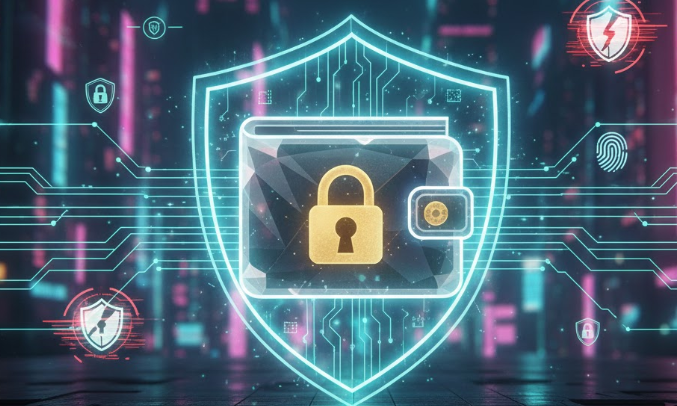
Your wallet is your financial gateway. It stores private keys that prove ownership of your assets. Therefore, wallet security forms the foundation of protection.
Hardware wallets offer the strongest protection. Because they store keys offline, they are less vulnerable to remote attacks. If you hold high-value assets, this option is wise.
Hot wallets provide convenience. However, they remain connected to the internet. As a result, they carry higher exposure risk.
A smart strategy is separation. Keep large holdings in a cold wallet. Use a secondary wallet for metaverse transactions. This way, even if one wallet is compromised, your main funds remain safe.
To protect money in metaverse interactions, choose your wallet carefully and manage it responsibly.
Verify Every Transaction Before Confirming
Blockchain transactions are final. Therefore, verification is critical.
Before approving any transfer, double-check the wallet address. Even a single incorrect character can redirect funds permanently.
Also, review transaction details carefully. What permissions are being granted? Are you approving a one-time transfer or unlimited token access?
Some malicious contracts request broad access to your tokens. If approved, they can withdraw funds later without further confirmation.
Take your time. Read each prompt. Protecting money in metaverse transactions depends on careful review.
Precision beats speed every time.
Beware of Phishing and Fake Marketplaces
Phishing remains one of the biggest threats in the metaverse. Attackers create websites that look identical to legitimate platforms.
They may send emails about exclusive NFT drops or urgent account verification. The links appear convincing. However, they lead to fake portals designed to capture wallet approvals.
To protect money in metaverse transactions, always verify website URLs. Bookmark official platforms instead of clicking random links.
Additionally, avoid connecting your wallet through social media advertisements unless you confirm authenticity.
If something feels rushed or overly generous, pause. Scammers rely on urgency and emotion.
Caution protects capital.
Use Multi-Layer Security to Protect Money in Metaverse Platforms
Single-layer security is not enough. Instead, combine multiple defenses.
Enable two-factor authentication wherever possible. This adds an extra barrier to exchange accounts.
Use strong, unique passwords. Avoid reusing credentials across platforms.
Install antivirus software and keep your operating system updated. Many attacks exploit outdated systems.
Consider using a virtual private network when accessing financial platforms, especially on public Wi-Fi.
Layered security reduces vulnerability. Even if one defense fails, others remain active.
To protect money in metaverse ecosystems, redundancy strengthens resilience.
Research Projects Before Spending
The metaverse is filled with new projects. Some are legitimate. Others are not.
Before purchasing digital land or NFTs, research the development team. Look for transparent identities and consistent communication.
Check community engagement. Are real users asking meaningful questions? Or does the platform rely on repetitive hype?
Review smart contract audits when available. Although audits do not guarantee safety, they signal effort toward security.
If tokenomics seem unbalanced or insider ownership appears excessive, reconsider involvement.
Protecting money in metaverse transactions also means protecting yourself from poor decisions.
Due diligence prevents regret.
Start Small and Test the Platform
Before committing large amounts of money, test transactions with small sums.
Send minimal tokens to confirm that the platform operates as expected. Observe how permissions are handled.
If you encounter unexpected behavior, disconnect immediately.
This trial approach reduces potential losses while building trust.
Protect money in metaverse environments by treating new platforms cautiously.
Confidence grows through verification.
Monitor Wallet Activity Regularly
Security does not end after a transaction. Ongoing monitoring is essential.
Review wallet history frequently. Look for unknown approvals or unusual transfers.
Many blockchain explorers allow you to track activity. Set alerts when possible.
Also, periodically revoke unused smart contract permissions. Over time, unnecessary approvals accumulate. Removing them reduces risk.
Continuous oversight helps you detect problems early.
Protecting money in metaverse ecosystems requires consistent attention.
Understand Smart Contracts Before Engaging
Smart contracts automate transactions. However, they operate exactly as coded. If flaws exist, assets can be drained instantly.
Learn basic smart contract principles. Understand that approving a contract grants it specific rights.
If you are unsure about a contract, consult community feedback or trusted security reviews.
Avoid interacting with newly deployed contracts without verification.
To protect money in metaverse transactions, knowledge is power.
Informed users make safer decisions.
Control Emotional Decision-Making
Emotions often override logic in fast-moving markets.
Fear of missing out drives impulsive purchases. Panic can trigger rushed sales.
Scammers exploit emotional states. They create artificial deadlines and exaggerated promises.
When making financial decisions in the metaverse, pause. Take a breath. Reevaluate.
Protecting money in metaverse transactions requires emotional discipline.
Rational choices build long-term success.
Prepare for the Unexpected
Even with strong security habits, unexpected events can occur.
Back up wallet recovery phrases securely offline. Store them in a safe location. Never upload them to cloud storage.
Consider insurance options if available through reputable providers.
Diversify holdings across multiple wallets to reduce single-point failure.
Preparation does not eliminate risk. However, it reduces impact.
Protect money in metaverse environments by planning ahead.
Conclusion: Smart Habits Safeguard Digital Wealth
The metaverse opens exciting financial possibilities. Virtual real estate, digital art, and tokenized assets create new forms of ownership. Yet each opportunity carries risk.
To protect money in metaverse transactions, combine strong wallets, careful verification, layered security, and continuous monitoring. Research before investing. Test platforms cautiously. Control emotional impulses.
Digital assets deserve real-world discipline. When security becomes part of your strategy, confidence replaces anxiety.
The metaverse may be virtual, but your money is real. Protect it wisely.
FAQs
- How can I protect money in metaverse transactions quickly?
Use a secure wallet, verify website URLs, enable two-factor authentication, and review transaction details carefully. - Are metaverse transactions reversible?
Most blockchain transactions are irreversible, which is why careful verification is essential. - Should I use a separate wallet for metaverse purchases?
Yes. A dedicated wallet limits exposure and protects larger holdings stored elsewhere. - What is the biggest risk in metaverse transactions?
Phishing scams and malicious smart contracts are among the most common threats. - Can I eliminate all risk when trading in the metaverse?
No system is perfect. However, disciplined habits significantly reduce the chance of financial loss.