The metaverse feels limitless. You can own virtual land, trade NFTs, build businesses, and connect globally. However, where digital value grows, digital risk follows. That is why metaverse asset security must be taken seriously.
Think of your metaverse assets like valuables in a smart home. You would not rely on a single lock. Instead, you would use reinforced doors, cameras, alarms, and maybe even biometric access. Similarly, protecting NFTs, crypto wallets, and virtual properties requires multi-layer protection.
In today’s immersive digital economies, hackers are sophisticated. Phishing scams look realistic. Smart contract exploits move quickly. Social engineering tricks feel personal. Therefore, metaverse asset security depends on overlapping defenses rather than one single barrier.
Let’s explore how multi-layer security works and why it forms the backbone of safe metaverse investing.
Why Metaverse Asset Security Is Essential
The metaverse blends finance, identity, and interaction. Unlike traditional platforms, assets are stored on blockchain networks. Once transferred, transactions cannot be reversed easily. As a result, security must be proactive.
Metaverse asset security protects NFTs, gaming tokens, virtual land deeds, and digital identities. These assets often carry real-world value. In many cases, they represent thousands or even millions of dollars.
Moreover, decentralized systems eliminate centralized oversight. You control your private keys. You manage wallet access. While that freedom empowers users, it also increases responsibility.
Without layered protection, a single compromised password could lead to total loss. Therefore, multi-layer protection reduces the chance of catastrophic failure.
Understanding Multi-Layer Protection in the Metaverse
Multi-layer protection means combining different security mechanisms. If one layer fails, another stands ready. This approach mirrors cybersecurity best practices across industries.
In metaverse asset security, layers often include hardware wallets, strong authentication, encrypted communication, smart contract audits, and behavioral monitoring.
First, hardware wallets store private keys offline. Because they remain disconnected from the internet, remote hackers cannot access them easily.
Second, two-factor authentication adds another barrier. Even if a password is stolen, access requires a second verification method.
Third, encryption protects data during transmission. This prevents interception during login or transaction processing.
Each layer reinforces the others. While no system is flawless, combined defenses significantly reduce vulnerability.
Layer One: Secure Wallet Infrastructure
Wallets form the foundation of metaverse asset security. They store private keys that grant ownership of NFTs and tokens.
Hot wallets connect to the internet for convenience. However, they carry higher exposure risk. Cold wallets, on the other hand, remain offline. Therefore, large holdings should be stored in hardware wallets.
Multi-signature wallets add further protection. Instead of one key authorizing transactions, multiple approvals are required. As a result, a compromised device alone cannot transfer funds.
Regular wallet updates also matter. Software patches fix vulnerabilities. Although updates seem minor, they close potential entry points.
Strong wallet management represents the first layer of multi-layer protection.
Layer Two: Authentication and Identity Verification
Authentication ensures that only authorized users access assets. In the metaverse, identity theft can occur through phishing or social engineering.
Two-factor authentication strengthens metaverse asset security. It requires a secondary code or device verification. Even if login credentials are stolen, attackers face additional barriers.
Biometric authentication is also emerging. Fingerprint or facial recognition reduces reliance on passwords alone.
Furthermore, hardware security keys provide physical authentication tokens. These devices must be present during login, which limits remote intrusion.
By layering authentication methods, you dramatically reduce account takeover risks.
Layer Three: Smart Contract Audits and Code Review
Many metaverse assets rely on smart contracts. These self-executing programs manage ownership and transactions. However, coding flaws can create vulnerabilities.
Independent audits examine contract logic and detect weaknesses before deployment. Although audits cannot guarantee perfection, they reduce exploit risk.
Continuous monitoring also strengthens metaverse asset security. AI systems scan blockchain activity for abnormal contract interactions.
Developers should follow secure coding practices. Users, meanwhile, should verify that projects publish audit reports. Transparency signals credibility.
This layer protects against technical exploits that operate beyond user-level security.
Layer Four: Network and Device Security
Even with strong wallet protection, compromised devices pose risks. Malware can capture keystrokes or alter wallet addresses.
Secure devices form another layer of metaverse asset security. Install reputable antivirus software. Keep operating systems updated. Avoid suspicious downloads.
Public Wi-Fi networks increase vulnerability. Therefore, virtual private networks add encryption during internet access.
Additionally, separate devices for high-value transactions reduce exposure. A dedicated laptop for blockchain activity limits cross-contamination from casual browsing.
This device-level protection ensures that private keys remain private.
Layer Five: Behavioral Monitoring and AI Detection
Modern metaverse asset security increasingly relies on artificial intelligence. AI systems monitor behavioral patterns to detect anomalies.
For example, if an account suddenly transfers large assets to unfamiliar wallets, alerts are triggered. Early detection prevents complete loss.
Behavioral analytics also identify bot attacks and impersonation attempts. In immersive virtual environments, identity spoofing can occur. AI analyzes voice, movement, and interaction patterns for irregularities.
This proactive layer functions like a digital alarm system. Instead of waiting for theft confirmation, it reacts to suspicious behavior.
AI does not replace personal vigilance. However, it strengthens multi-layer protection significantly.
Layer Six: Education and Human Awareness
Technology alone cannot guarantee metaverse asset security. Human awareness remains critical.
Phishing emails remain one of the most effective attack methods. Fake login pages mimic official platforms convincingly. Therefore, always verify URLs carefully.
No legitimate platform will request your private keys. Remember that simple rule.
Scammers often create urgency. They promise limited offers or warn of account suspension. When emotions rise, pause before acting.
Security awareness represents the final layer in multi-layer protection. It empowers you to identify threats before interacting with them.
Combining Layers for Maximum Protection
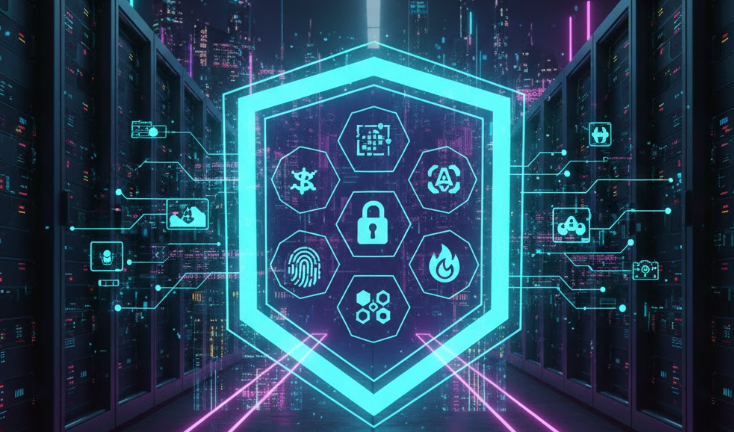
Each layer alone offers partial defense. Together, they create a robust shield.
Imagine a castle protected by walls, guards, and watchtowers. Even if one defense fails, others remain active.
Similarly, metaverse asset security thrives on redundancy. Hardware wallets, authentication systems, encrypted networks, AI monitoring, and user awareness form a cohesive framework.
This layered architecture transforms vulnerability into resilience.
Future Trends in Metaverse Asset Security
As the metaverse evolves, so will threats. However, security innovations advance simultaneously.
Decentralized identity solutions may replace passwords entirely. Blockchain-based verification systems could reduce phishing effectiveness.
Zero-knowledge proofs may enhance privacy without sacrificing compliance. Meanwhile, AI models will become more predictive.
Cross-platform collaboration may also strengthen defenses. Shared intelligence across blockchain ecosystems can identify coordinated attacks.
Metaverse asset security will likely become more seamless and invisible. Yet the principle of multi-layer protection will remain constant.
Conclusion: Multi-Layer Protection Secures Digital Ownership
The metaverse represents a new frontier of digital ownership. Virtual assets carry tangible value. However, with opportunity comes risk.
Metaverse asset security depends on layered defenses. Hardware wallets protect private keys. Authentication systems secure access. Smart contract audits reduce vulnerabilities. Device protection blocks malware. AI monitoring detects anomalies. Education empowers users.
No single layer guarantees safety. However, combined protection creates resilience. In a decentralized world, security becomes a personal responsibility.
By embracing multi-layer protection, you safeguard not just assets, but confidence in digital innovation. Your virtual future deserves strong defense.
FAQs
- What is metaverse asset security?
Metaverse asset security refers to protecting NFTs, tokens, virtual land, and digital identities from theft or fraud. - Why is multi-layer protection important in the metaverse?
Multi-layer protection ensures that if one security layer fails, others prevent total asset loss. - Are hardware wallets necessary for metaverse assets?
For high-value holdings, hardware wallets significantly enhance metaverse asset security by storing keys offline. - How does AI improve metaverse security?
AI detects abnormal behavior and suspicious transactions in real time, reducing fraud risks. - Can multi-layer security completely eliminate threats?
No system is perfect. However, layered metaverse asset security greatly reduces the likelihood of successful attacks.